· Updated · 10 min read · Gibby, StreetLegal Editorial
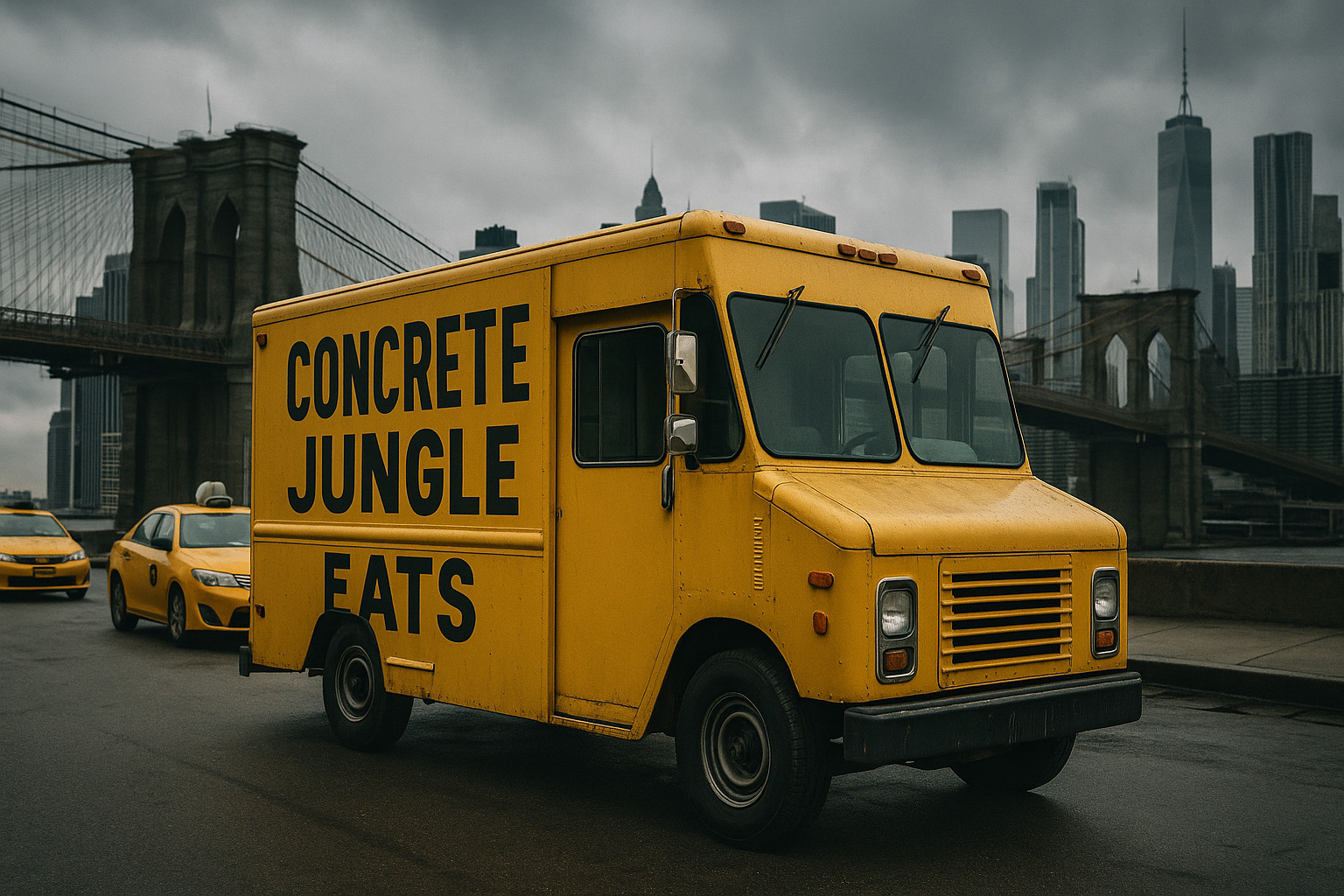
NYC Food Truck Permit Guide: MFVL License, Waitlist & Costs (2026)
New York City has one of the most complicated food truck permitting systems in the country. There are two separate licensing bodies, a notorious waitlist for citywide permits that's effectively closed to new applicants, informal permit leases running $15,000–$25,000 a year, and health inspections that can make or break your launch timeline.
That said — thousands of operators work legally in NYC every day. This guide breaks down exactly what you need, what it costs, and the fastest path from idea to first service in 2026.
If you are comparing launch paths, pair this NYC checklist with StreetLegal's commissary requirements by state, the food truck permit mistakes guide, and current New York food truck events. NYC's unit permit bottleneck changes your best plan: many new operators start with catered private events, commissary partnerships, or borough-specific opportunities while they document the DOHMH license and inspection requirements below.
Quick answer for NYC operators
You need a personal Mobile Food Vending License, a permitted mobile food vending unit, a current DOHMH-approved commissary agreement, sales tax registration, and a truck that can pass health inspection. The individual license is usually the easy part; the unit permit/waitlist and commissary agreement are the bottlenecks that decide your launch path.
What Permits Do You Need to Run a Food Truck in NYC?
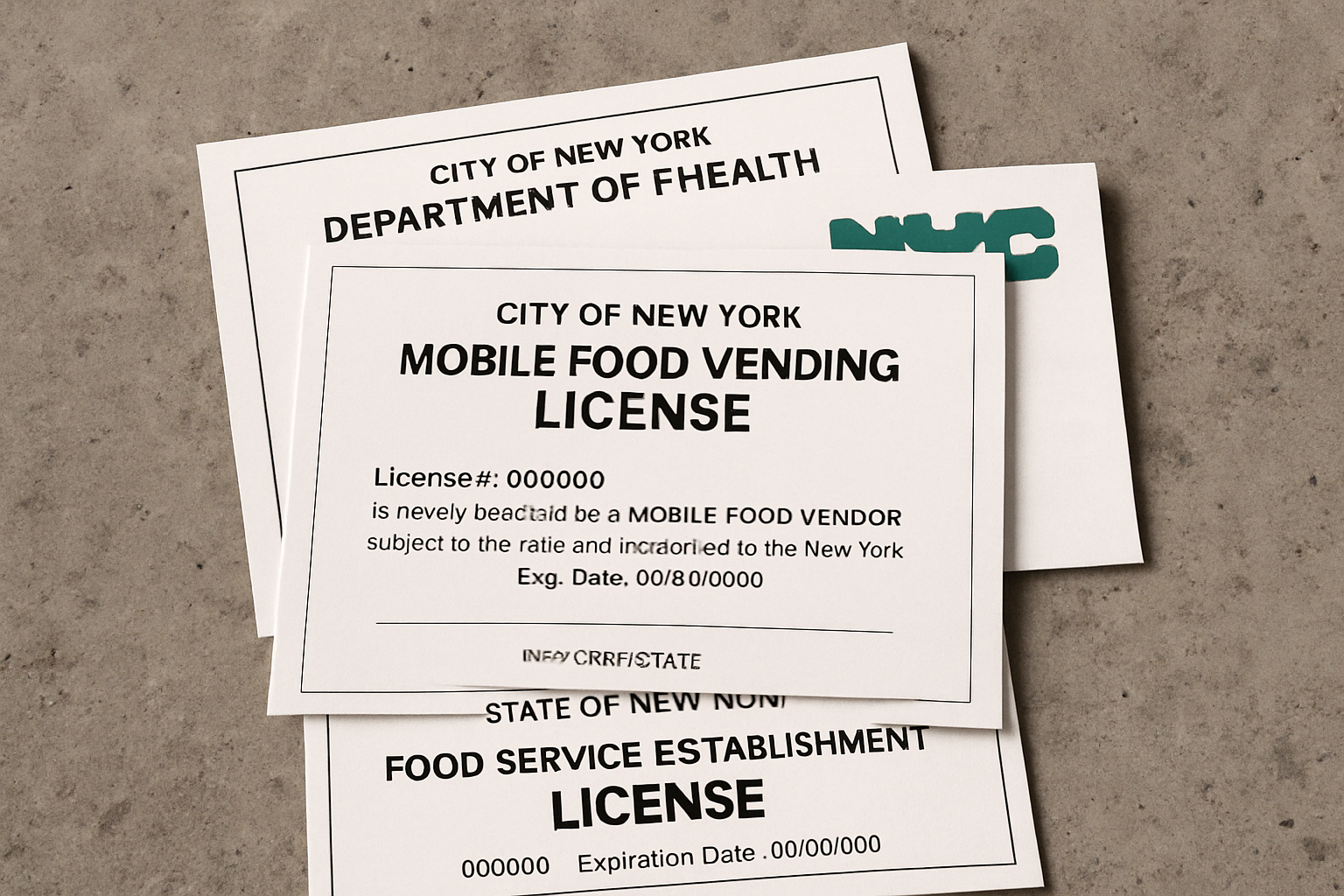
NYC food truck permits come from two different agencies and cover two different things: you (the vendor) and your truck (the unit). You need both.
1. Mobile Food Vending License (MFVL) — for the Vendor
The Mobile Food Vending License is your personal operating credential. It's issued by the NYC Department of Consumer and Worker Protection (DCWP) and tied to you as an individual — not to your truck.
- Issued by: NYC Department of Consumer and Worker Protection (DCWP)
- Validity: 2 years
- Application: In person only at the DCWP Citywide Licensing Center — no mail, no proxy
- Required documents: Completed application, Certificate of Authority (NYS sales tax), proof of completing a DOHMH Food Protection Course, valid photo ID
- Food Protection Course: Required before applying — register with NYC DOHMH, cost ~$114, takes about 5 hours; valid 5 years
The MFVL itself is relatively straightforward to get. The hard part is the unit permit.
2. Mobile Food Vending Unit Permit — for the Truck
Your truck needs its own permit from the NYC Department of Health and Mental Hygiene (DOHMH). This is where NYC gets complicated. There are four permit types, and availability varies dramatically by type:
| Permit Type | Where You Can Vend | Duration | Availability |
|---|---|---|---|
| Citywide Full-Term | All approved NYC street zones; staff can operate | 2 years | Hard cap — lottery/waitlist |
| Borough-Specific (Brooklyn, Queens, Staten Island, Bronx) | One borough only; no parks, no Manhattan | 2 years | Available — no waitlist |
| Restricted Area | Private property or NYC Parks only; no public streets | 2 years | Available — no waitlist |
| Temporary Citywide Seasonal | Street fairs and events; Apr–Oct only | 7 months | Limited — waitlist/lottery |
The honest truth about citywide permits: The cap on full-term citywide permits hasn't kept up with demand for decades. Legal permits are often leased informally from existing holders for $15,000–$25,000 per year. Many new operators start with a borough-specific or restricted-area permit, which is entirely viable for building a customer base.
3. Additional Requirements
Beyond the core license and unit permit, NYC food truck operators need:
- Commissary agreement — required by DOHMH for cleaning, storage, and maintenance. Must be with an approved commissary facility.
- FDNY G-23 Certificate — if you use propane or natural gas (most food trucks do). Renewed annually, requires FDNY inspection.
- Vehicle registration & commercial insurance — minimum $300,000 liability; most landlords and event organizers require $1M.
- NYS Certificate of Authority — allows you to collect sales tax. Free, instant online via NYS Tax Department.
- Food handler certifications — everyone handling food must have a valid food handler permit. Obtained through DOHMH-approved courses.
- Business registration / EIN — register your entity (LLC recommended) and get a federal EIN from the IRS (free, instant).
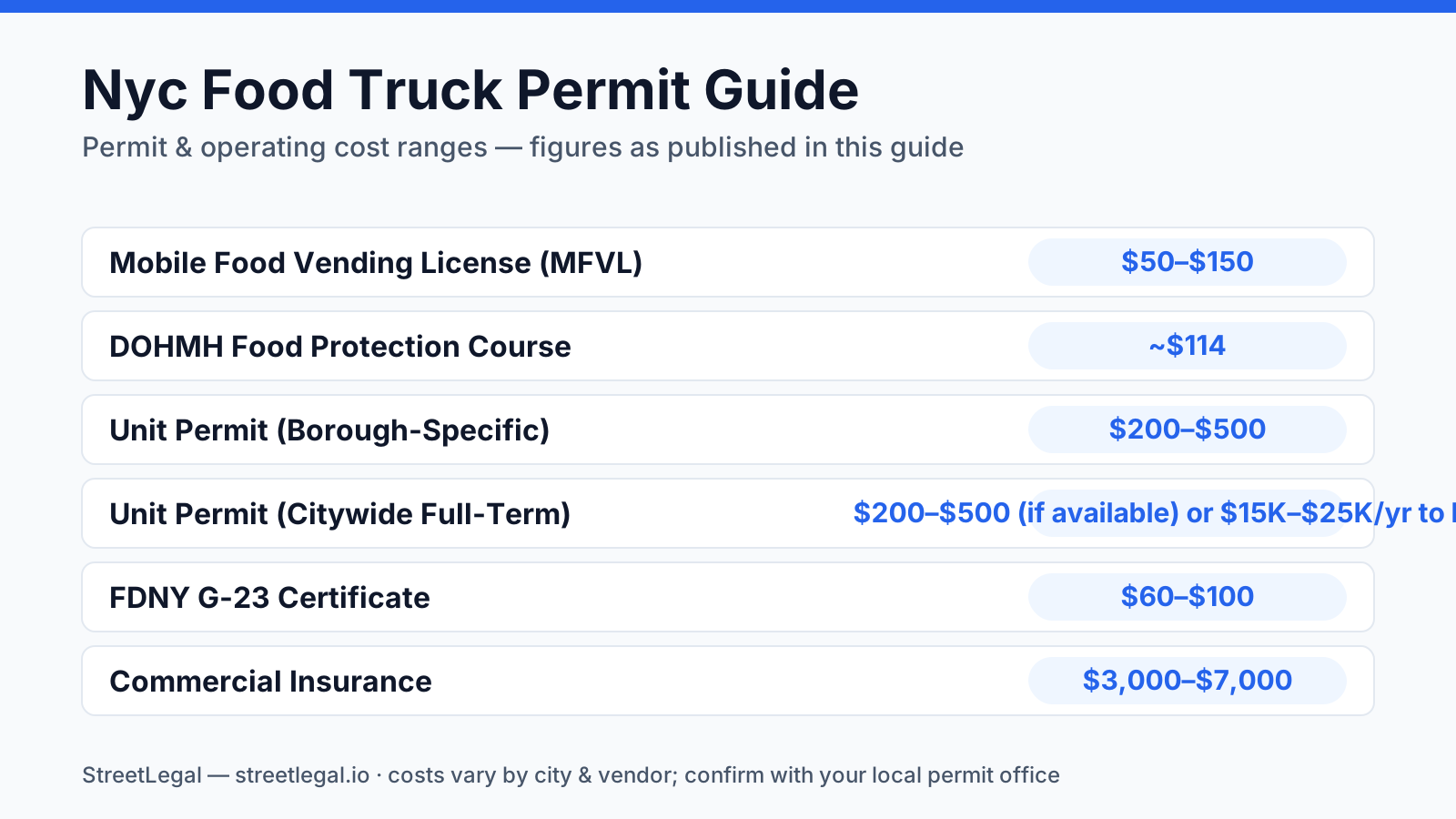
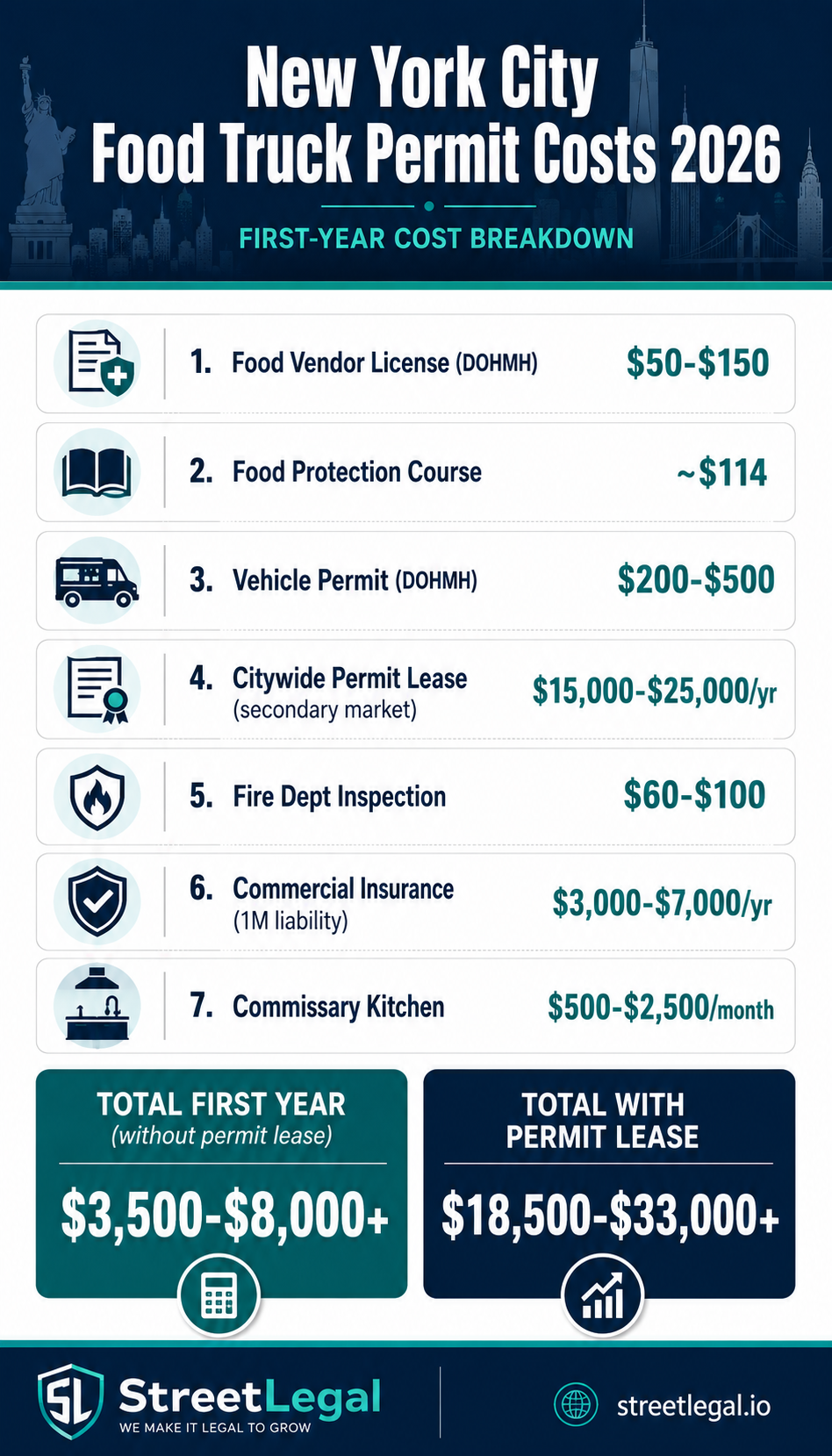
NYC Food Truck Permit Cost Breakdown
| Permit / License | Cost | Frequency |
|---|---|---|
| Mobile Food Vending License (MFVL) | $50–$150 | Every 2 years |
| DOHMH Food Protection Course | ~$114 | Every 5 years |
| Unit Permit (Borough-Specific) | $200–$500 | Every 2 years |
| Unit Permit (Citywide Full-Term) | $200–$500 (if available) or $15K–$25K/yr to lease | Every 2 years |
| FDNY G-23 Certificate | $60–$100 | Annual |
| Commercial Insurance | $3,000–$7,000 | Annual |
| Commissary Kitchen Agreement | $500–$2,500/mo | Monthly |
| NYS Certificate of Authority | Free | One-time |
| Total Year 1 (excl. commissary) | $3,500–$8,000+ |
These figures don't include the cost of leasing a citywide permit from an existing holder, which can add $15K–$25K to your first year. That's the biggest cost variable in NYC and the reason many new operators start with a borough-specific permit.
Step-by-Step Timeline: NYC Food Truck Launch

- Weeks 1–2: Register your LLC, get your EIN (free, instant at IRS.gov), open a business bank account
- Week 1: Register for and complete the DOHMH Food Protection Course — this is the prerequisite for your MFVL, so do it first
- Week 2: Apply for NYS Certificate of Authority (sales tax registration) at tax.ny.gov — free and near-instant
- Weeks 2–3: Find and sign a commissary kitchen agreement — you need this to apply for your unit permit
- Weeks 3–4: Apply for your MFVL in person at DCWP with all required documents
- Weeks 3–6: Apply for your Mobile Food Vending Unit Permit from DOHMH; schedule your truck inspection
- Week 5+: Apply for FDNY G-23 Certificate if you're using gas
- Week 8–12: Pass all inspections, receive your permits, start operating
Realistic total timeline: 8–14 weeks for a borough-specific permit. Citywide permits can take significantly longer due to waitlists.
Smart Strategy for New NYC Operators
Start Borough-Specific, Expand Later
Don't let the citywide permit bottleneck stop you from launching. A Brooklyn, Queens, or Bronx-specific permit lets you build a real customer base, learn your market, and generate revenue while you wait for a citywide permit to become available. Most successful NYC food truck operators started exactly this way.
The Restricted Area Permit Opportunity
A restricted-area permit (private property or parks only) has no waitlist and is easier to get. If you have a venue, brewery, office park, or event space willing to host you regularly, this can be a highly profitable setup — often without the chaos of street vending competition.
Know Your Commissary Requirements Cold
DOHMH will verify your commissary agreement during your unit permit application. The commissary must be a DOHMH-approved facility. Your agreement needs to specify that the facility is available for cleaning, storage, and food preparation — and it needs to be current (dated within 30 days for some applications).
What NYC Food Truck Health Inspectors Look For
Your truck will be inspected by DOHMH before you receive your unit permit and annually thereafter. Common failure points:
- Improper food temperature control (hot foods below 140°F, cold foods above 41°F)
- Missing or non-functional handwashing station with soap and paper towels
- Improper food storage (uncovered, on the floor, or cross-contaminated)
- Pest evidence — even one sign of rodent or insect activity is an automatic critical violation
- Missing or expired food handler certifications for staff on-site
- Damaged food-contact surfaces (chipped counters, worn cutting boards)
Common Questions About NYC Food Truck Permits
Can I use my food truck in all five boroughs?
Only with a citywide full-term unit permit. Borough-specific permits restrict you to one borough. Restricted-area permits limit you to private property or parks only.
Do I need a commissary kitchen if I have a fully-equipped truck?
Yes. Even with a fully-equipped truck, NYC DOHMH requires a commissary agreement for cleaning, waste disposal, and base operations. No exceptions.
Can I sell food at street fairs without a full permit?
You can apply for a temporary citywide seasonal permit specifically for street fairs and events (April–October). These are also subject to caps and waitlists, but availability tends to be better than full citywide permits.
How much does it really cost to start a food truck in NYC?
All-in for year one — truck, permits, commissary, insurance, equipment, and a 3-month operating reserve — budget $100,000–$200,000+. NYC is expensive. Know that going in.
The Bottom Line
NYC's food truck permit system is genuinely complex, but it's not impenetrable. The keys: understand the permit types before you apply, secure your commissary early (it unlocks everything else), and seriously consider starting with a borough-specific permit rather than waiting for a citywide spot.
Keeping all of this organized — permit deadlines, inspection dates, commissary agreements — is exactly what StreetLegal was built for. Operators who automate their permit tracking spend hours less per year on paperwork and never get caught by an expiration they missed.
🏛️ Official Resources — Verify Current Requirements
- NYC DOHMH — Mobile Food Vendor Permits — unit permits, commissary requirements, inspection info
- NYC DCWP — Mobile Food Vendor License — personal vending license (separate from unit permit)
- NYS Certificate of Authority — sales tax registration (required before operating)
- NYC Food Protection Course — required before your permit application
Fees and timelines shown above reflect 2026 figures. Always confirm current requirements before filing.
Related City Guides
People also ask about New York food truck permits
How much does a food truck permit cost in New York?
How long does it take to get a food truck permit in New York?
Do I need a commissary kitchen to operate a food truck in New York?
What documents do I need for a New York food truck permit?
Answers to the most common permit questions — costs, timelines, commissary rules, and more.
Find city-level permit guides for every state we cover — compare costs and requirements.
More from the blog
Jefferson County, MO Food Truck Permit Guide
Complete guide to food truck permits, fees, and requirements in Jefferson County, MO.
City GuidesSt. Charles County, MO Food Truck Permit Guide
Complete guide to food truck permits, fees, and requirements in St. Charles County, MO.
City GuidesSt. Louis County, MO Food Truck Permit Guide
Complete guide to food truck permits, fees, and requirements in St. Louis County, MO.
Buyer's GuideFood Truck POS Systems 2026: Square, Toast, Clover & Avocado
Compare 2026 food truck POS systems by pricing, hardware costs, offline mode, and contract terms for Square, Toast, Clover, and Avocado.