· 9 min read · StreetLegal Team
City Food Truck Permit Guide 2026
Every city handles mobile food vending a little differently, but the approval path usually follows the same pattern: prove the truck is sanitary, prove the business is registered, prove the equipment is fire-safe, and prove you have a legal place to prep, park, and serve.
Permit packet checklist
Line up the City approval packet before you book service.
Use one clean packet for the local license, health review, commissary, and inspection steps.
Local business license
Match the legal name, address, insurance, and truck details across every form.
Health permit
Prepare the menu, equipment list, food-safety credentials, and inspection plan.
Commissary proof
Show where storage, prep, dishwashing, wastewater, and overnight servicing happen.
Inspection and renewal
Track corrections, approval dates, renewal deadlines, and event-specific permissions.
StreetLegal keeps these requirements organized so operators can launch without spreadsheet chaos.
The City Permit Stack
Start by separating city requirements from county and state requirements. The health department may be county-run, the business license may be city-run, and sales tax registration is usually state-run. If you plan to work multiple cities, confirm whether each city honors the same health permit or requires a separate vending approval.
Health
Plan + inspection
Menu, equipment list, commissary agreement, water system, and pre-opening inspection.
Business
License + tax
Local business license, state sales tax account, and sometimes a vendor badge.
Location
Parking rules
Right-of-way vending, private property permission, event permits, and distance limits.
Health Department Permit
The health permit is usually the longest step. Expect the reviewer to ask for your menu, floor plan, equipment specs, potable water capacity, wastewater capacity, warewashing process, and commissary letter. Trucks with fryers, raw proteins, cooling steps, or complex prep usually face more review than coffee, packaged food, or simple hot-hold concepts.
Business License and Tax Registration
Most cities want your legal entity, local business license, and tax registration in place before final approval. Keep copies of your EIN, sales tax account, insurance certificate, and commissary agreement in one folder so you can reuse them for events and neighboring cities.
2026 Launch Timeline
| Week | Task | What to have ready |
|---|---|---|
| 1 | Confirm local agencies | City clerk, health department, fire marshal, and parking office contacts. |
| 2-3 | Submit health packet | Menu, equipment specs, commissary letter, water/wastewater details. |
| 4-6 | Handle business and fire items | Business license, sales tax account, insurance, extinguisher tags. |
| 6-10 | Inspection and launch | Truck stocked, water filled, thermometers calibrated, route plan ready. |
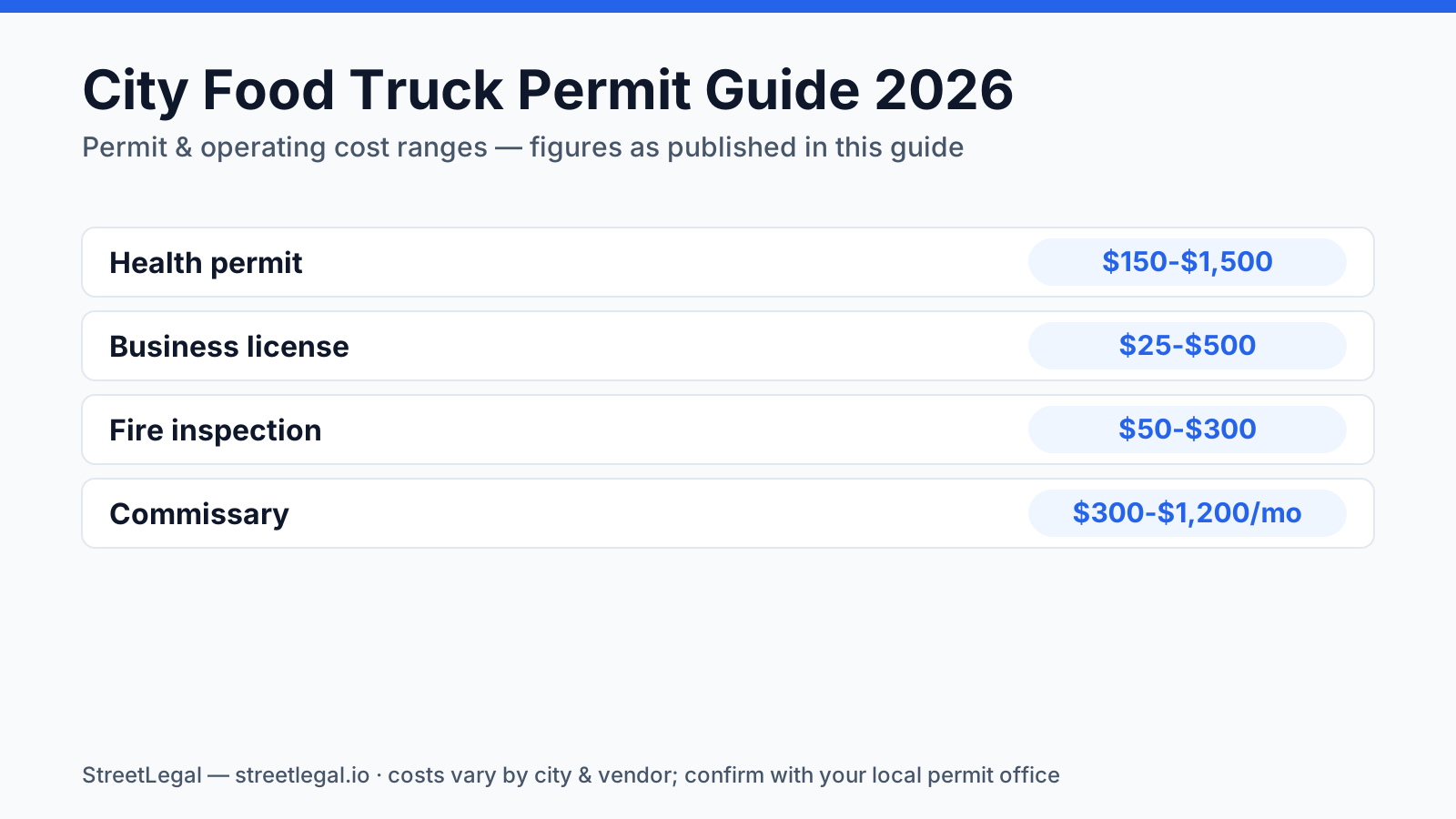
Typical City Food Truck Permit Costs
| Item | Typical range | Notes |
|---|---|---|
| Health permit | $150-$1,500 | Often annual; plan review may be separate. |
| Business license | $25-$500 | Some cities base fees on gross receipts. |
| Fire inspection | $50-$300 | Required for propane, generators, fryers, or hood systems. |
| Commissary | $300-$1,200/mo | Higher in dense metro markets. |
| Event or parking permits | $25-$1,000+ | Varies by event size, city property, and season. |
Local Rules to Check Before You Apply
- Distance limits: Many cities restrict vending near restaurants, schools, parks, intersections, hydrants, or bus stops.
- Private property letters: If you serve on a lot, get written permission before inspection day.
- Hours and noise: Downtown, nightlife, and residential zones often have separate operating-hour limits.
- Reciprocity: A county health permit may not replace city vending approval in neighboring jurisdictions.
City and State Guides
Use the local guide closest to your market, then verify the current packet with your city or county before paying fees.
FAQ
What permits does a food truck usually need in a city?
Most food trucks need a health permit, business license, sales tax registration, commissary agreement, and fire inspection if the truck has cooking equipment, propane, generators, or suppression systems.
How long does city food truck permitting take in 2026?
Plan for 4 to 10 weeks. A simple truck can move faster, but plan review, fire corrections, commissary paperwork, or public right-of-way permits can stretch the schedule.
Do food trucks need a commissary kitchen?
In most markets, yes. The commissary supports storage, prep, dishwashing, water fills, wastewater dumping, and overnight parking records.
Last updated: June 22, 2026
Answers to the most common permit questions — costs, timelines, commissary rules, and more.
Find city-level permit guides for every state we cover — compare costs and requirements.
More from the blog
Jefferson County, MO Food Truck Permit Guide
Complete guide to food truck permits, fees, and requirements in Jefferson County, MO.
City GuidesSt. Charles County, MO Food Truck Permit Guide
Complete guide to food truck permits, fees, and requirements in St. Charles County, MO.
City GuidesSt. Louis County, MO Food Truck Permit Guide
Complete guide to food truck permits, fees, and requirements in St. Louis County, MO.
Buyer's GuideFood Truck POS Systems 2026: Square, Toast, Clover & Avocado
Compare 2026 food truck POS systems by pricing, hardware costs, offline mode, and contract terms for Square, Toast, Clover, and Avocado.