· 8 min read · StreetLegal Team
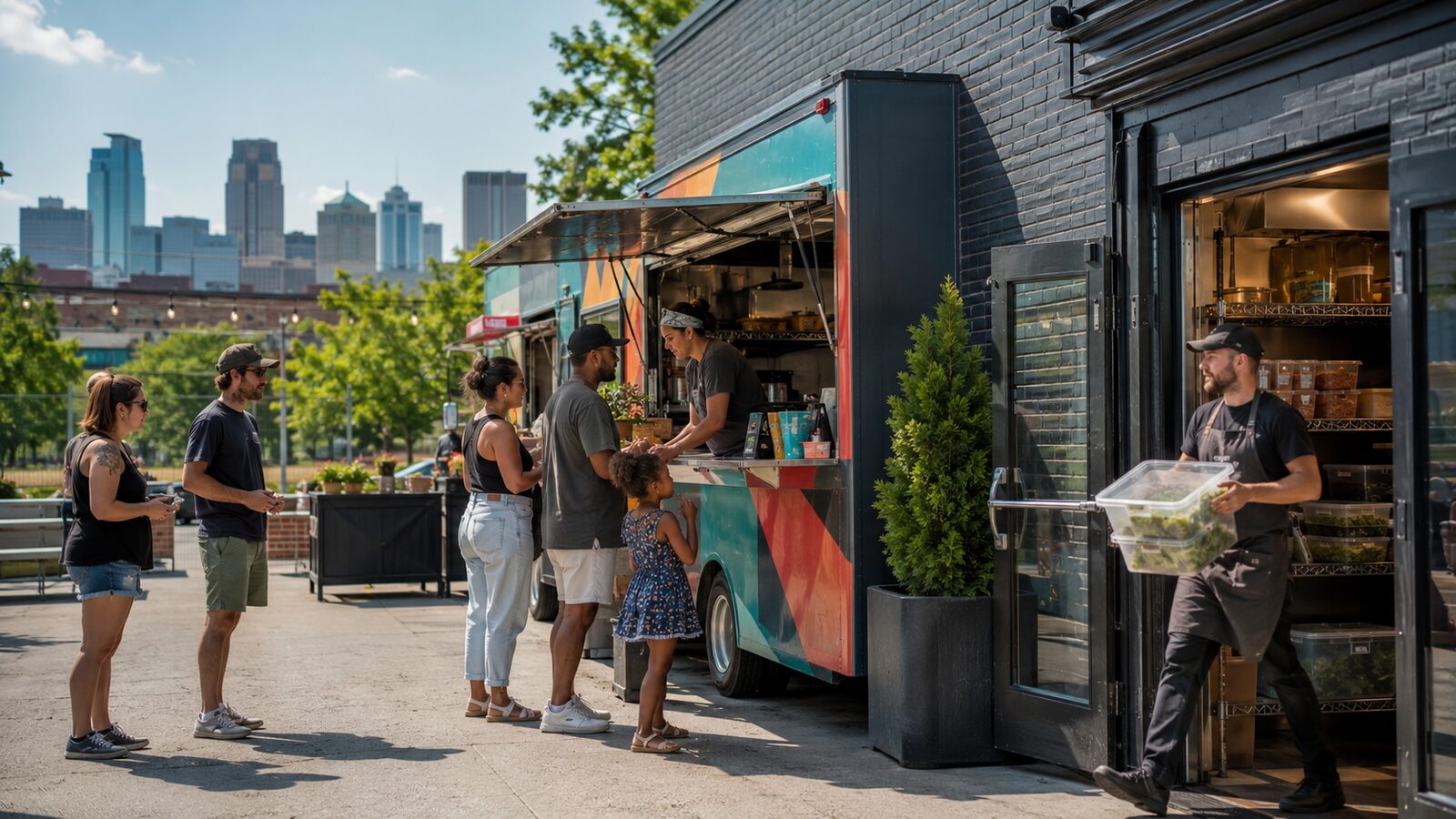
Minneapolis Commissary Kitchen Guide for Food Trucks
Updated August 16, 2026
A Minneapolis food truck needs more than a good route and a strong lunch menu. Before you build a weekly schedule around breweries, downtown offices, parks, or events, you need a licensed kitchen arrangement that supports prep, storage, cleaning, water, waste, and the paperwork your regulators expect.
Minneapolis and Minnesota requirements
The City of Minneapolis says you must have a license to operate a food business in Minneapolis, and its food truck business guide tells operators to review the food truck application, decide what type of mobile food unit they need, review vehicle plan standards, and gather documents such as a proposed menu, vehicle diagram, site plan, food plan review form, vehicle inspection, and insurance.
At the state level, the Minnesota Department of Agriculture says mobile food units must operate in compliance with the Minnesota Food Code and require a Food Handler License. MDA also says plans, specifications, and applicable fees must be submitted to the regulatory authority for review and approval at least 30 days before construction begins on a mobile food unit.
For a step-by-step city permit overview, cross-check this commissary research with StreetLegal's Minneapolis food truck permit guide.
Real kitchen options to research
Availability changes quickly, so treat this as a call list, not a guaranteed vacancy list. Verify license status, rates, hours, storage, truck access, and whether the kitchen will sign the documents your regulator needs.
| Kitchen | What the source says | Why it may matter |
|---|---|---|
| NEON Collective Kitchens | MDA's directory lists it in Minneapolis; NEON describes 25,000 square feet of commercial kitchen rental space for food trucks, caterers, restaurants, and CPG entrepreneurs in North Minneapolis. | Strong fit to ask about truck-specific storage, prep, and member access. |
| Ellis Properties Kitchens | MDA's directory lists a 650 square foot private commercial wholesale kitchen in NE Minneapolis for lease. | Potential fit for operators who need more private control. |
| Nicollet Kitchen | MDA's directory lists availability Sunday, Monday, and after 4:00 p.m. Tuesday through Saturday. | Potential fit for prep schedules outside peak shared-kitchen hours. |
| Dots Gray | Dots Gray describes itself as a shared commercial kitchen in Minneapolis with licensed commercial kitchen space, equipment access, food-production stations, and storage. | Useful to evaluate for early-stage food businesses and makers. |
| MSP Kitchenery | MSP Kitchenery describes rental kitchens for food entrepreneurs seeking shared kitchen or ghost kitchen space. | Worth checking if your model includes prep plus delivery or ghost-kitchen service. |
What to ask before signing
- License fit: Is the kitchen licensed for the kind of food prep and storage your menu needs?
- Food truck support: Do they support mobile vendors specifically, including documentation for applications and inspections?
- Cold and dry storage: Is storage included, assigned, locked, labeled, and available during your operating hours?
- Water, wastewater, and warewashing: Can the kitchen support your unit's actual cleaning and servicing needs?
- Truck access: Can you load safely, park nearby, and access the building before early service?
- Schedule control: Are prep blocks guaranteed or first-come, first-served?
- Growth path: Can the same kitchen support catering, packaged goods, or a second truck later?
Delivery-app impact
A commissary is also part of your delivery strategy. If you list on delivery apps, the address and pickup workflow need to be stable enough that customers and couriers can find you. Minneapolis operators with a reliable commissary-adjacent service window, brewery residency, or fixed weekly lunch spot will usually have an easier time running delivery than trucks that move several times per day.
If the commissary is only for prep and storage, keep app hours off unless the truck is actually operating at a pickup-ready location. Confusing pickup instructions can hurt ratings and waste driver time.
Sources
- City of Minneapolis food truck business guide
- City of Minneapolis food and restaurants licensing page
- Minnesota Department of Agriculture mobile food units
- Minnesota shared commercial kitchen directory
- NEON Collective Kitchens
- Dots Gray
- MSP Kitchenery
Frequently asked questions
Do Minneapolis food trucks need a commissary kitchen?
Plan as if you need a licensed base of operation or commissary before applying. Minnesota mobile food units must follow the Minnesota Food Code, and Minneapolis food truck licensing requires application documents that commonly depend on the kitchen and vehicle setup.
Which Minneapolis kitchens should I call first?
Start with MDA-listed Minneapolis kitchens such as NEON Collective Kitchens, Ellis Properties Kitchens, and Nicollet Kitchen, then compare other local options such as Dots Gray and MSP Kitchenery.
Can my commissary be outside Minneapolis?
Possibly, but verify with the correct regulatory authority before signing. The kitchen must be properly licensed and acceptable for your mobile unit's plan review and operating model.
Treat the kitchen agreement as a launch dependency.
StreetLegal helps Minneapolis food truck operators track commissary documents, license requirements, inspections, and renewal dates in one place.
People also ask about Minneapolis food truck permits
How much does a food truck permit cost in Minneapolis?
How long does it take to get a food truck permit in Minneapolis?
Do I need a commissary kitchen to operate a food truck in Minneapolis?
What documents do I need for a Minneapolis food truck permit?
Answers to the most common permit questions — costs, timelines, commissary rules, and more.
Find city-level permit guides for every state we cover — compare costs and requirements.
More from the blog
Jefferson County, MO Food Truck Permit Guide
Complete guide to food truck permits, fees, and requirements in Jefferson County, MO.
City GuidesSt. Charles County, MO Food Truck Permit Guide
Complete guide to food truck permits, fees, and requirements in St. Charles County, MO.
City GuidesSt. Louis County, MO Food Truck Permit Guide
Complete guide to food truck permits, fees, and requirements in St. Louis County, MO.
Buyer's GuideFood Truck POS Systems 2026: Square, Toast, Clover & Avocado
Compare 2026 food truck POS systems by pricing, hardware costs, offline mode, and contract terms for Square, Toast, Clover, and Avocado.